🐾 Why Structure Matters More Than Freedom for Your Puppy
One of the most common mistakes new puppy owners make is offering too much freedom too soon.
It is completely understandable. After all, you've been waiting for this puppy, preparing your home, and imagining all the wonderful moments ahead. The temptation to let them explore every corner of their new world is strong.
But puppies, especially Labrador puppies, do not need freedom first.
They need structure.
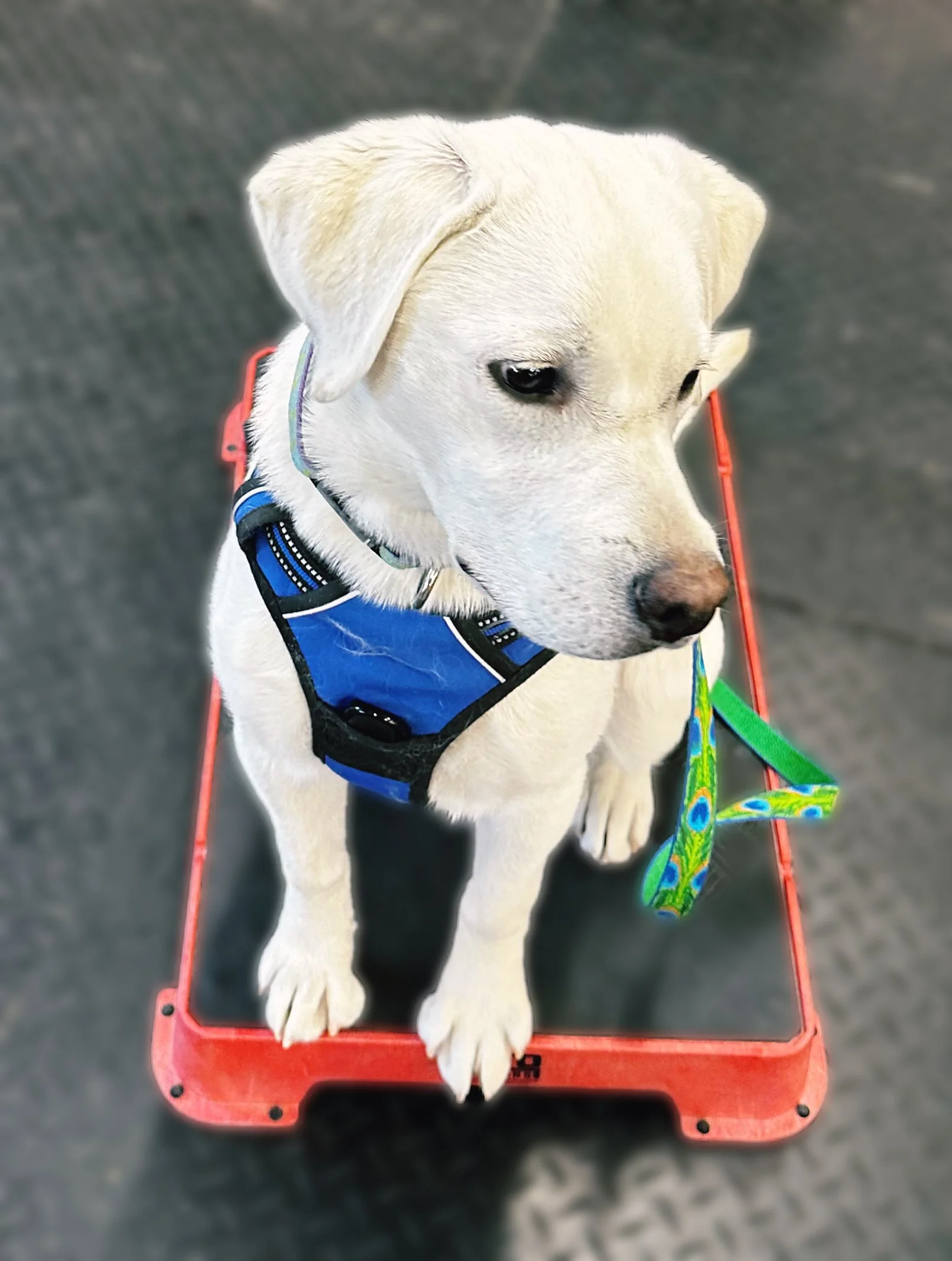
Understanding How Puppies Learn
A young puppy has very little understanding of your expectations. They do not know where to eliminate, what is appropriate to chew, or how to settle themselves when tired.
Without guidance, they will make decisions based entirely on instinct and opportunity—and puppies are exceptionally talented at finding opportunities.
Every unsupervised moment becomes a learning experience. The question is simply whether they are learning the behaviors you want.
Structure ensures the answer is yes.
Why Too Much Freedom Creates Problems
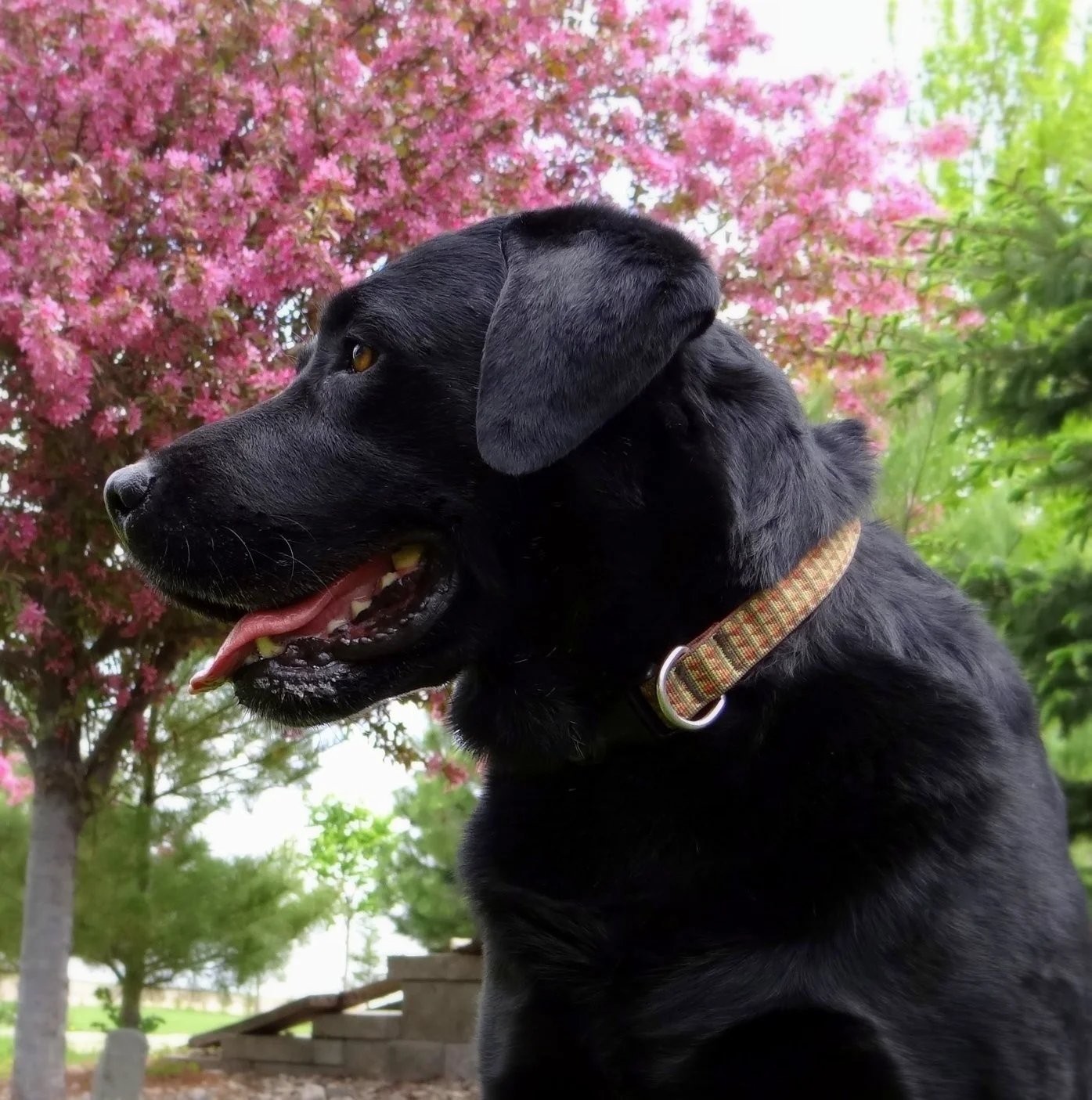
When puppies are given unrestricted access to the home, several common issues tend to appear quickly:
House-training accidents
Chewing furniture, rugs, or personal belongings
Difficulty settling
Reduced engagement with their owner
Development of undesirable habits
These are not signs of a "bad puppy." They are signs of a puppy with too much responsibility and too little guidance.
Freedom without understanding is overwhelming.
Structure Builds Confidence
Contrary to what many people assume, boundaries do not create stress—they create security.
Puppies thrive when their world is predictable. Clear expectations help them understand where to rest, where to play, and how to succeed.
A structured environment allows your puppy to relax because they are not constantly making decisions beyond their developmental capacity.
Confidence grows when expectations are clear.
Practical Ways to Create Structure
Structure does not need to be complicated.
Simple tools make a tremendous difference:
Crates for rest and house training
Exercise pens for supervised independence
Baby gates to manage access
Leashes indoors during transition periods
These management tools prevent mistakes before they happen, allowing you to reinforce desired behaviors consistently.
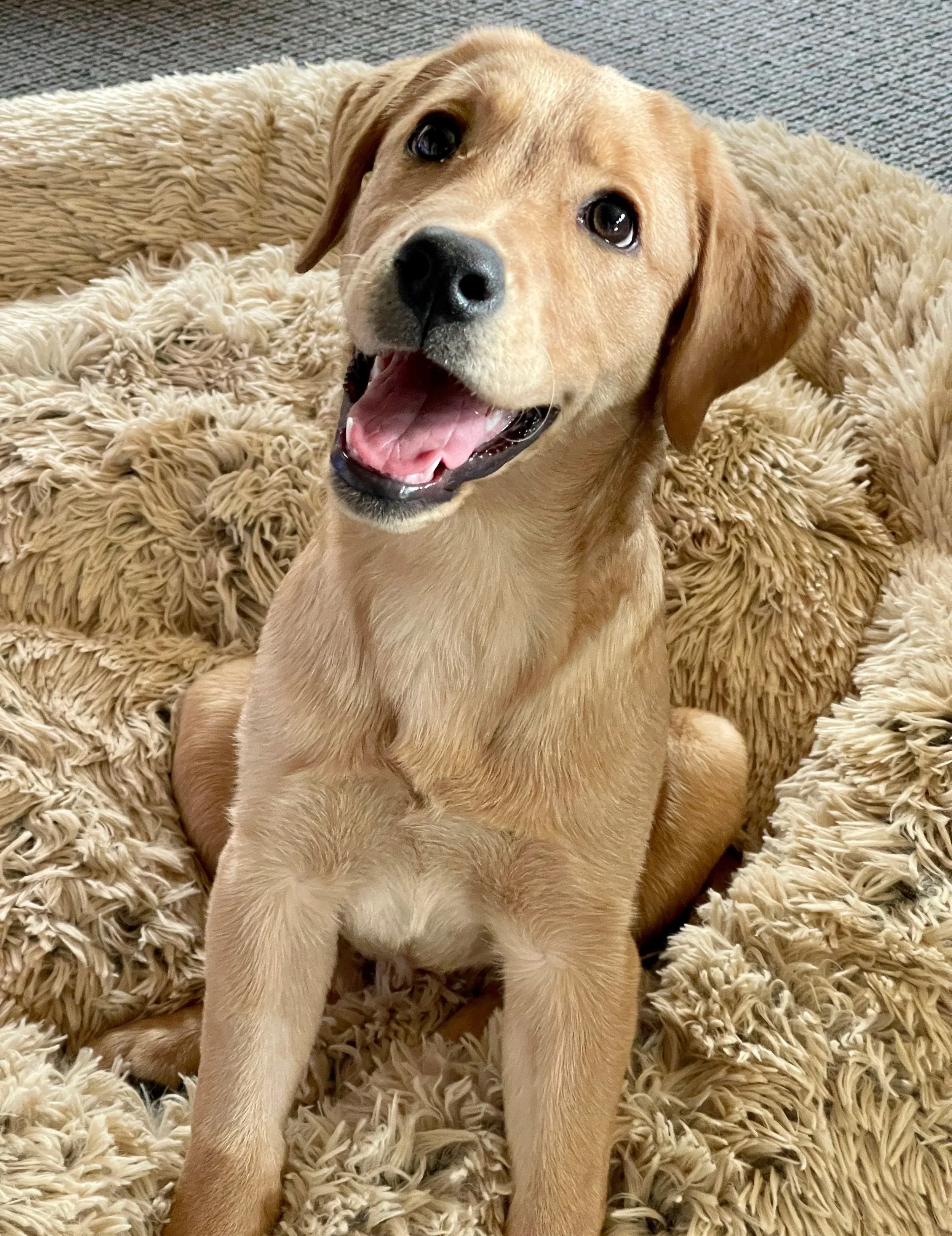
Good training often begins with good management.
Supervision Is Training
Every interaction is an opportunity.
When your puppy is with you, they are learning:
Where to go potty
What is appropriate to chew
How to follow your lead
How to settle in the home
When supervision is not possible, confinement is the responsible choice.
This is not restrictive—it is educational.
Freedom Is Earned
As your puppy demonstrates reliability, freedom can gradually expand.
This progression should be based on behavior, not age alone.
A puppy who consistently:
Maintains house-training
Makes good choices
Responds reliably
Settles appropriately
...is ready for increased access.
Until then, structure remains your best investment.
The Long-Term Payoff
A few months of thoughtful management can prevent years of frustration.
The Labrador you envision—confident, reliable, and easy to live with—is built through consistency, not chance.
Structure today creates freedom tomorrow.
That is the goal.
Final Thoughts
Your puppy does not need unlimited access to thrive.
They need leadership. They need clarity. They need consistency.
In time, freedom will come naturally.
But first, build the foundation that makes freedom possible.
At CaveInn Labradors, we believe that well-raised puppies become exceptional companions—and that begins with structure.